
Homeowners in Illinois suburbs are increasingly searching for home solar panels Naperville as electricity costs continue to rise and renewable energy becomes a practical long-term solution. Naperville has become one of the most attractive residential solar markets due to strong incentives, high energy consumption, and growing awareness of clean energy benefits.The demand for home solar panels Naperville is driven by homeowners who want to reduce monthly utility bills, increase property value, and gain energy independence. Many families also explore solar panels for home Naperville options to understand how solar systems can be integrated into residential rooftops effectively.
At the same time, residential solar installation Naperville is becoming a preferred solution for homeowners who want a complete, professionally managed solar energy system.
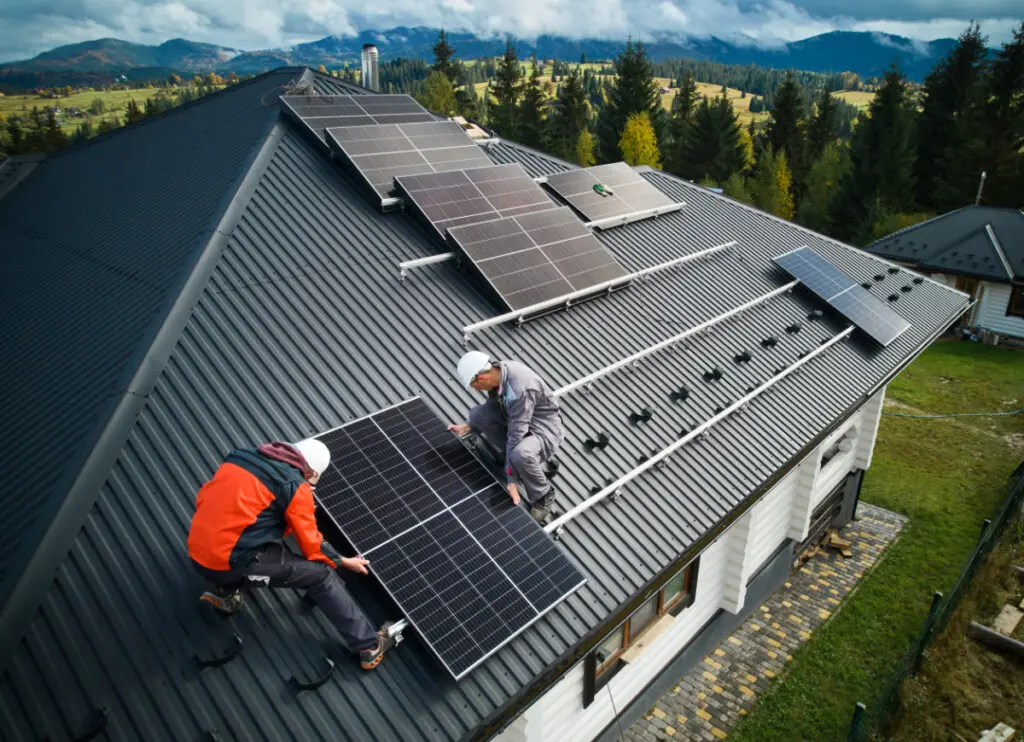
The adoption of home solar panels Naperville is growing rapidly due to several important factors. Rising electricity prices in Illinois suburbs, strong federal and state solar incentives, high residential energy consumption, improved solar technology efficiency, and increasing environmental awareness are all contributing to the rapid growth of residential solar adoption.More homeowners are now actively researching solar panels for home Naperville as a long-term solution for reducing energy costs and improving energy efficiency.This shift has made residential solar installation Naperville one of the fastest-growing home improvement investments in the region.
The residential solar installation Naperville process is structured to ensure safety, efficiency, and performance.
Experts evaluate household electricity usage and roof suitability to determine the best solar setup for the property.
A customized solar system is designed based on energy needs, roof structure, and sunlight exposure.
Local approvals, permits, and required documentation are completed to ensure compliance with regulations.
Solar panels, inverters, and wiring systems are professionally installed and connected safely.
Understanding how home solar panels Naperville function helps homeowners make informed decisions.
Solar panels convert sunlight into electricity using photovoltaic cells. This electricity powers household appliances and reduces reliance on the traditional utility grid.
A typical system includes rooftop solar panels, an inverter system for energy conversion, mounting and wiring structures, and optional battery storage systems for backup power and energy management.The solar panels for home Naperville system is designed based on household energy usage, roof size, and sunlight exposure to ensure maximum efficiency and long-term savings.
The cost of home solar panels Naperville depends on several key factors, including system size and energy requirements, roof condition and installation complexity, equipment quality and efficiency, labor and permitting costs, and optional battery storage systems. While the initial investment varies from home to home, solar panels for home Naperville provide long-term savings through reduced electricity bills and greater energy independence. Many homeowners also choose financing options to make residential solar installation Naperville more affordable and accessible.
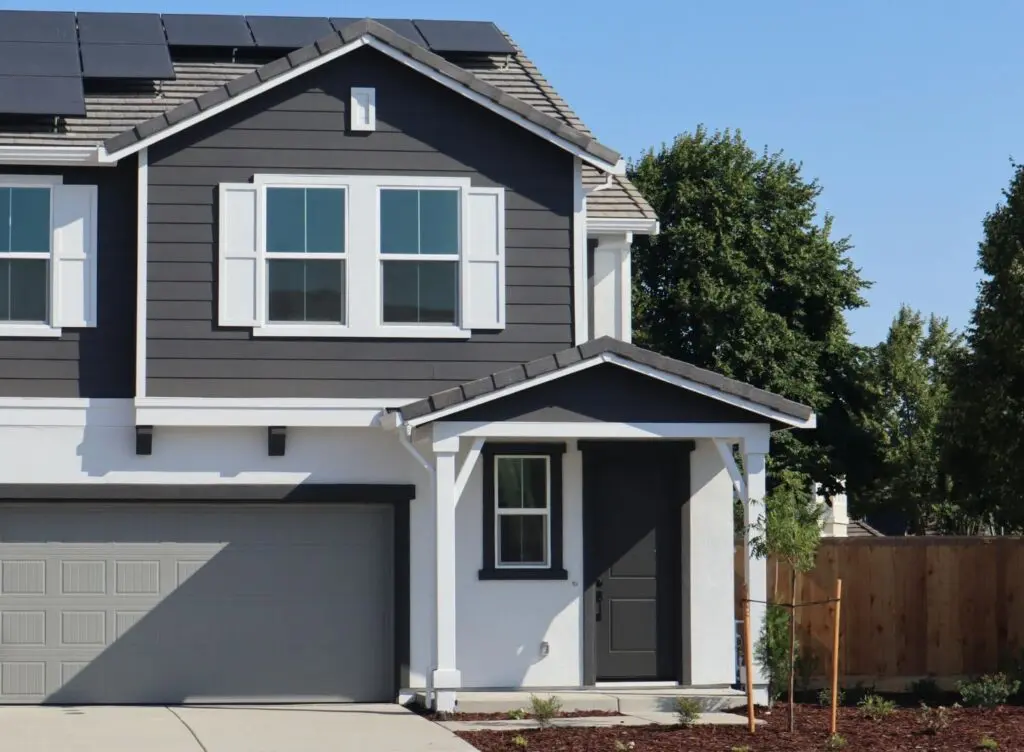
Installing solar panels for home Naperville offers several long-term benefits for homeowners. Solar energy significantly reduces monthly utility expenses while helping families gain greater independence from traditional power providers.
Homes with solar systems often sell at higher market values, making solar installation both an energy and property investment. In addition, solar energy reduces carbon emissions and supports long-term environmental sustainability.
Solar systems also help protect homeowners from rising electricity costs by stabilizing long-term energy expenses through consistent solar energy production.
These advantages explain why home solar panels Naperville are becoming increasingly popular among homeowners throughout the region.
Many homeowners hesitate because of upfront costs, but residential solar installation Naperville is now more affordable thanks to several financing options. Common financing methods include solar loans with low interest rates, $0 down payment programs, lease agreements, and Power Purchase Agreements (PPA). These solutions help homeowners adopt solar energy without requiring a large initial investment. These financing options make home solar panels Naperville accessible to a wider range of households seeking affordable renewable energy solutions.
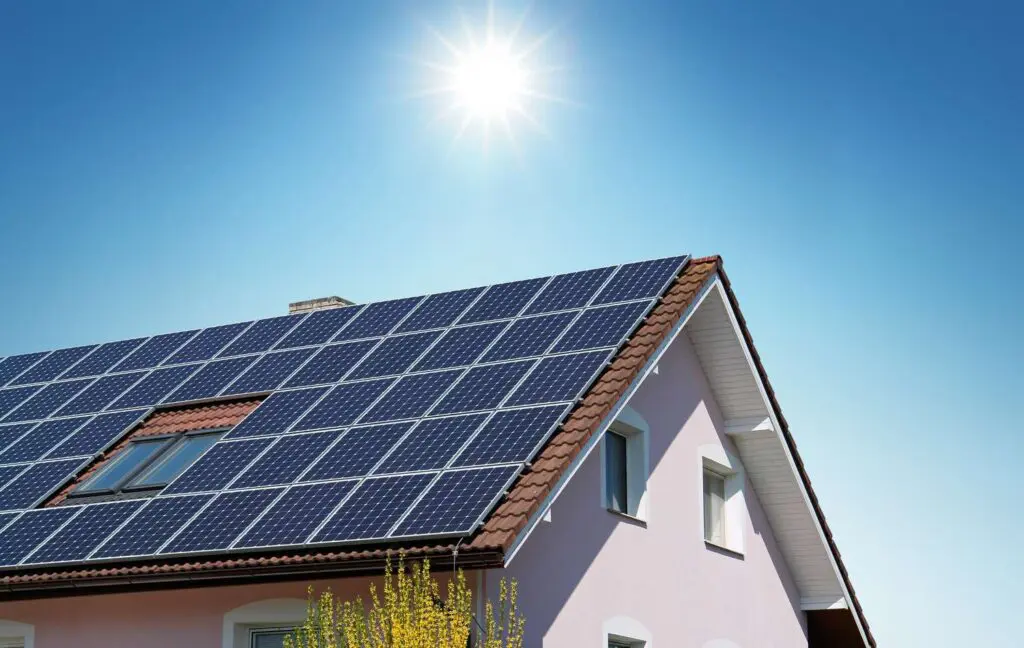
The future of home solar panels Naperville is expected to grow significantly due to rising electricity prices, advancements in solar technology, better financing options, and increasing environmental awareness.
More homeowners will continue adopting residential solar installation Naperville as solar energy becomes more affordable, efficient, and accessible across Illinois suburbs.
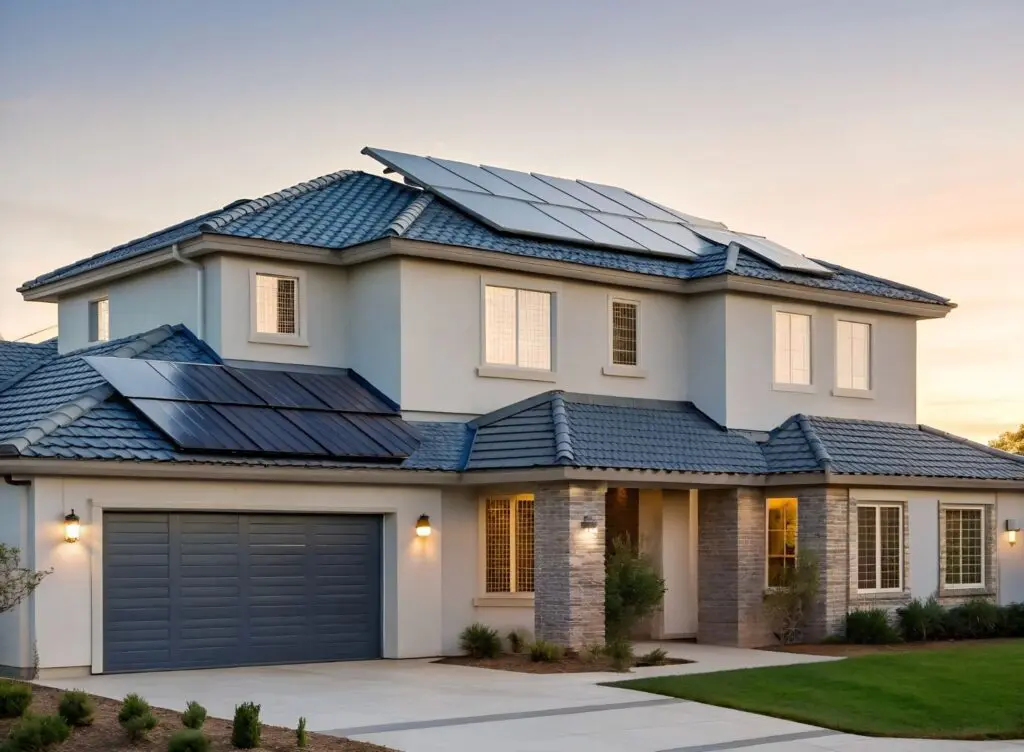
Naperville is a strong market for solar energy due to high electricity consumption in residential homes, strong solar incentives and rebates, expanding renewable energy adoption, and suitable rooftop installations across suburban neighborhoods.These factors make solar panels for home Naperville a practical, efficient, and financially beneficial long-term investment.
With the right financing plan, most homeowners pay less per month than their current electric bill.
Home solar panels Naperville are rooftop solar systems that convert sunlight into electricity to power homes and reduce electricity bills.
Yes, solar panels for home Naperville are worth installing because they reduce electricity costs, increase energy independence, and provide long-term savings.
Residential solar installation Naperville includes system design, permitting, panel installation, wiring, and grid connection setup.
The cost of home solar panels Naperville depends on system size, roof type, and energy usage, but incentives can significantly reduce the overall investment.
Residential solar installation Naperville typically takes a few days for installation, while permits and approvals may take a few weeks depending on local regulations.